Where to stay in Istanbul: pick the neighbourhood before the hotel
Most people choose an Istanbul hotel by price and photos, then find out on the first night that it sits above a bar street, or forty minutes by tram from everything they came to see. The city has no single centre. The old town, the Galata side and the Asian shore are separated by water, and each one makes for a different trip.
So choose the area first. Below are the seven we're asked about most, described the way you'd want a friend to describe them: what it sounds like at midnight, whether "sea view" is realistic, and how you get out of there in the morning.
If you only read one line: two or three days of sightseeing, stay in Sultanahmet. Want good food and ferries at your door, stay in Karaköy. Want a balcony over the Bosphorus and don't mind stairs, Cihangir. Been before, Kadıköy.
| Area | Good for | At night | Water views | Transport |
|---|---|---|---|---|
| Sultanahmet | First visit, short stay | Quiet | From rooftops, rarely from rooms | T1 tram; main sights on foot |
| Karaköy & Galata | Food, ferries, design hotels | Lively until about midnight | Upper floors | T1 tram, ferries, Tünel funicular |
| Cihangir | Couples, longer stays | Mostly quiet | Common, often very good | Steep walk down to the tram |
| Taksim & İstiklal | Nightlife, shopping | Loud, late | Rare | M2 metro, funicular to Kabataş |
| Beşiktaş | Local feel, waterfront | Busy; very loud on match days | Near the shore | Ferries and buses, no tram |
| Nişantaşı | Shopping, families | Quiet | None | M2 metro at Osmanbey |
| Kadıköy | Food, repeat visits | Loud near the bar streets | Along Moda | Ferry to Europe, M4 metro, Marmaray |
Sultanahmet
Hagia Sophia, the Blue Mosque, Topkapı Palace and the Basilica Cistern are within ten minutes' walk of each other, and the Grand Bazaar is two tram stops away. On a short trip that saves hours.
The area goes quiet early. By ten in the evening the tour groups have gone and many restaurants are closing. What you will hear is the dawn call to prayer, amplified from several mosques at once. It lasts a few minutes. Most people stop noticing by the third morning, but light sleepers should ask for a room facing a courtyard.
On views: a lot of small hotels here advertise the sea, and what they mean is the breakfast terrace on the roof. Rooms mostly face a lane or the building opposite. If the view from bed matters, look for reviews that mention it for a specific room type.
Downsides: restaurants near the squares are priced for tourists and staff will try to wave you in. Walk ten minutes downhill towards Sirkeci and it gets better.
Karaköy and Galata
These are two halves of one hill. Karaköy is the flat part by the water: ferry piers, bakeries, coffee places, the Istanbul Modern museum. Galata is the climb above it, ending at the tower.
This is where we'd send most people who want a bit of everything. The T1 tram reaches Sultanahmet in about ten minutes, ferries to Kadıköy and Üsküdar leave from the pier, and you can walk up to İstiklal.
Downsides: the streets around Galata Tower fill up from late afternoon and stay busy until late, so rooms facing the square get noise. The hill is cobbled and steep, and dragging a suitcase up it from the tram stop is hard work. If your hotel is near the tower, take a taxi for the arrival.
Cihangir
A residential neighbourhood on the slope between Taksim and the water. People live here, which means corner shops, cats on every step and cafés that are full of locals at breakfast. Many buildings look straight across the Bosphorus to the Asian side, and apartment hotels with balconies are common.
It is a ten-minute walk to İstiklal but feels far from it. Nights are calm on most streets.
Downsides: everything is uphill or downhill. Older buildings often have no lift, and a fourth-floor room with a wonderful view can mean eighty steps. Ask before you book.
Taksim and İstiklal
İstiklal Avenue is a mile of shops, music and crowds that runs until the small hours, and the side streets off it hold most of the city's bars. Taksim Square at the top is the main metro hub, and airport buses stop here.
If you plan to be out late every night, staying here saves you taxis. If you plan to sleep, be careful. This is the area where reviews most often say things like "bass until 3am" and "bring earplugs". A hotel two streets back from the action can be fine while one on the wrong corner is not, and star ratings won't tell you which is which. The reviews will.
Beşiktaş
A student and football district on the Bosphorus shore, north of the tourist core. The market streets are packed with cheap, good places to eat, and ferries cross to the Asian side all day. Dolmabahçe Palace is next door.
Downsides: there is no tram or metro stop in the centre of the neighbourhood, so you depend on buses, ferries and walking. And when Beşiktaş plays at home, tens of thousands of fans arrive. Check the fixtures for your dates.
Nişantaşı
Istanbul's upmarket shopping district: wide pavements, plane trees, boutiques and patisseries. It is the quietest area on this list after dark, pavements are good for pushchairs, and the M2 metro is a short walk away at Osmanbey.
You give up the water completely, and the old city is a metro ride plus a tram away. It suits families and people on a second visit better than first-timers.
Kadıköy
The Asian side. Take the ferry from Karaköy or Eminönü, which takes about twenty minutes and costs about the same as a tram ride. Kadıköy has the best food market in the city, streets of meyhanes and bars, and in Moda a seaside promenade where half the neighbourhood goes to watch the sunset.
Rooms are often cheaper than across the water. The trade-off is the commute if your plans are all in Sultanahmet. Ferries thin out late in the evening, though the Marmaray train under the Bosphorus runs later.
Things worth knowing before you book
- Buy an Istanbulkart on day one. One card works on trams, metro, buses, funiculars and public ferries, and each ride costs far less than a single ticket.
- The main airport is a long way out. From Istanbul Airport (IST) allow an hour or more to the centre by airport bus or by the M11 metro and a change. Sabiha Gökçen (SAW), on the Asian side, is closer to Kadıköy than to the old city.
- Check the map's contours. Six hundred metres can be flat or can be a staircase. Street view settles it in a minute.
- Search the reviews, don't just skim them. Look for "noise", "stairs", "view" and "call to prayer" in recent ones. Three people mentioning the same thing is a pattern.
That last step is what FindTravel automates. Tell us your dates and what matters, for example "quiet, sea view from the room, under $130", and we'll send a short list with the review evidence for each pick.
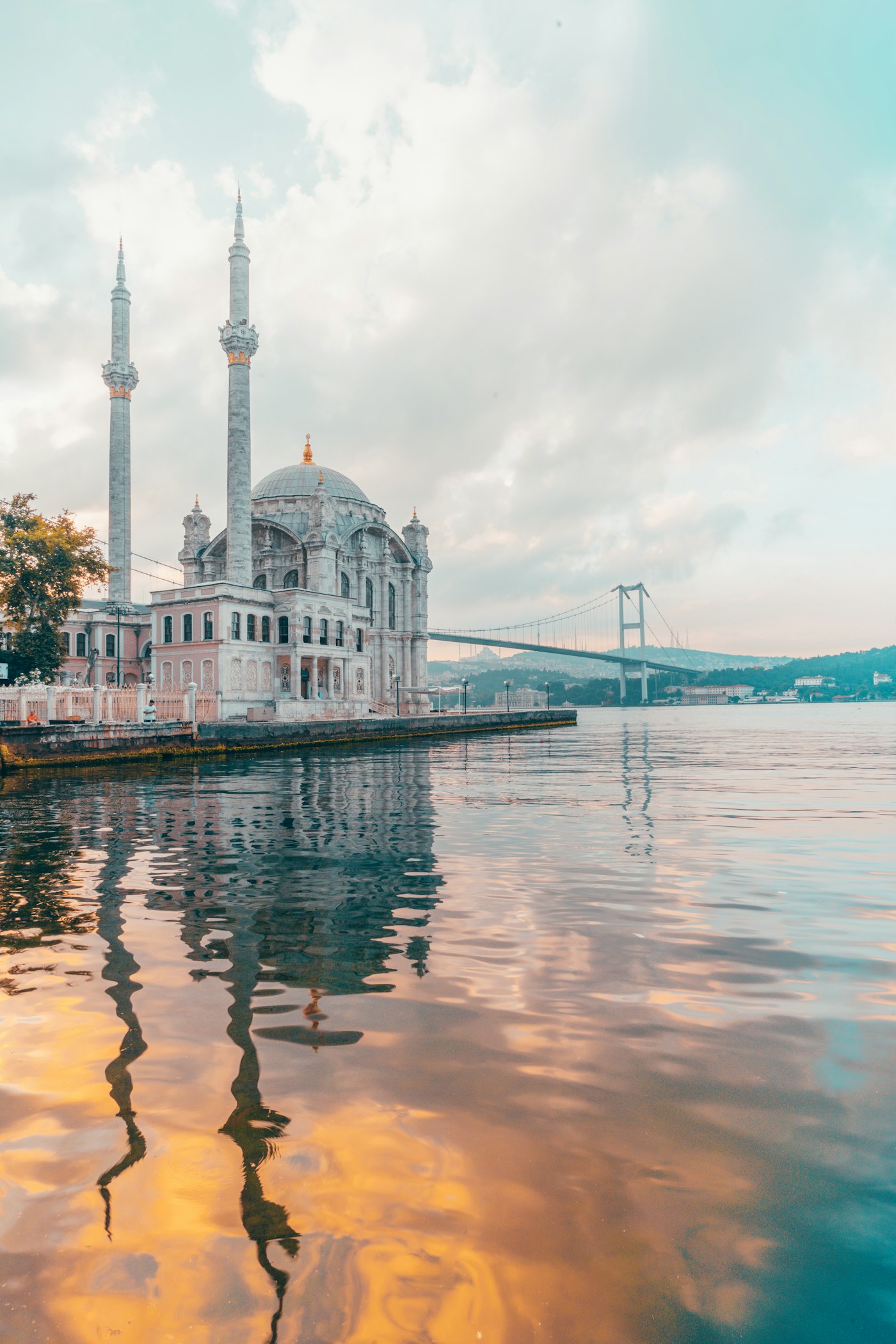
Photo: Meriç Dağlı on Unsplash. No hotel paid to appear in this guide. If you book through our links we may earn a commission; see our affiliate disclosure.